A heading goes here

Recycled Concrete Drainage available in 12 tonne loads only
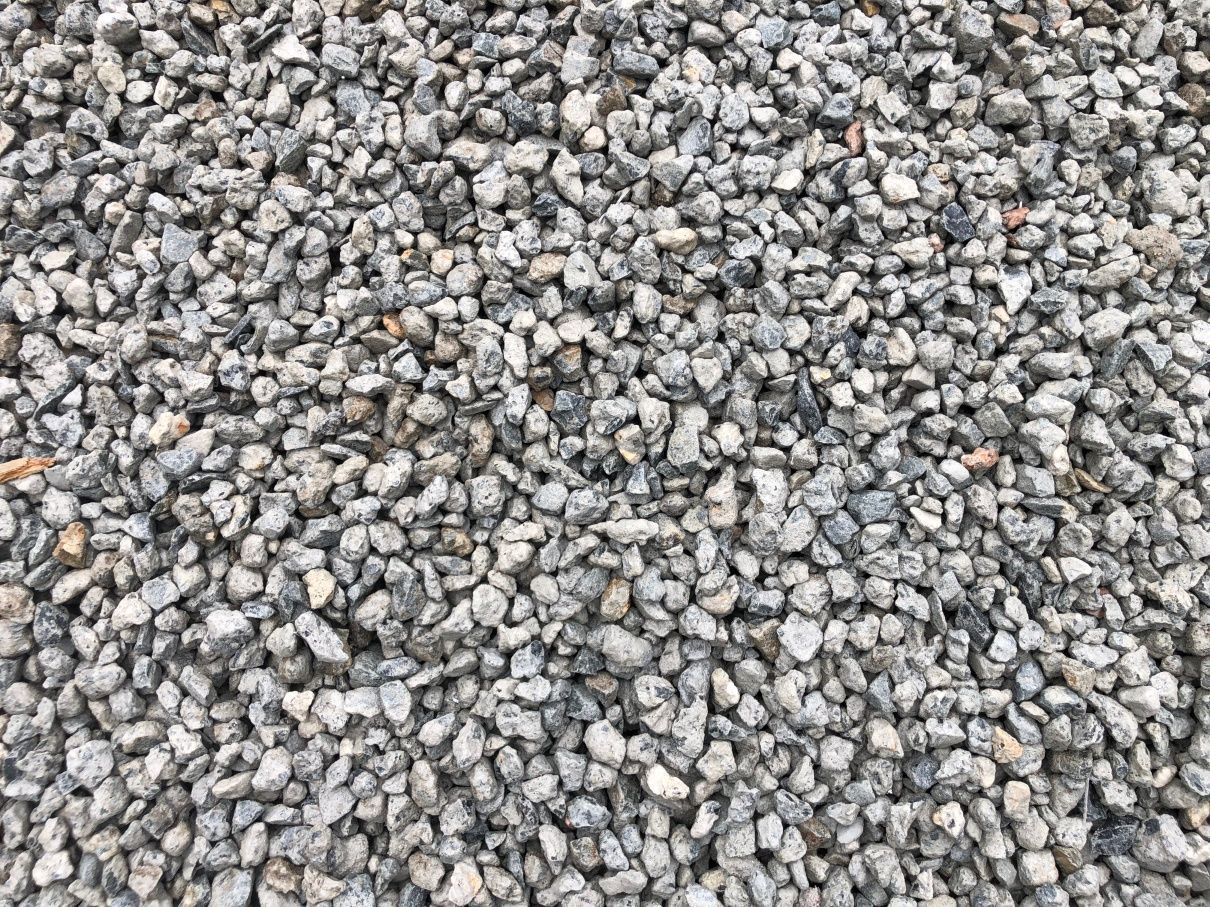
A good value alternative to crushed rock eg Blue Metal. It is a type of crushed aggregate made from recycled concrete. The size refers to the diameter of the individual pieces, which are typically angular and rough in texture, allowing them to interlock effectively when used in various applications. Recycled concrete aggregates are eco-friendly alternatives to natural stone materials, helping to reduce waste and lower the environmental impact of construction.
Uses of Recycled Concrete Drainage
Drainage Systems
- As the name suggests, Recycled Concrete Drainage 20mm is primarily used in drainage applications. The angular shape and larger size allow for efficient water flow and prevent clogging, making it ideal for French drains, soakage pits, stormwater drains, and other drainage systems.
Landscaping
- it is often used in landscaping for creating drainage layers under garden beds, paving, or patios. It can be laid under walkways or around trees to help manage water flow, prevent waterlogging, and provide a stable base for construction.
Sub-base for Roads & Driveways
- Can be used as a sub-base material for driveways, roads, or pathways. It provides a strong, stable foundation that supports the weight of traffic, while the drainage properties help ensure that water does not accumulate on the surface, leading to damage or erosion.
Erosion Control
- In areas prone to soil erosion, such as riverbanks, slopes, or embankments, Recycled Concrete Drainage 20mm can be used as an erosion control material.
Backfill for Retaining Walls
- Recycled concrete is often used as backfill material behind retaining walls. The size allows for good drainage behind the wall, preventing water buildup that could cause pressure and destabilize the structure.
Road Base for Heavy Traffic
- Due to its strong and durable nature, it is often used as a road base material in areas that will experience heavy traffic.
Landfill and Fill Material
- Recycled concrete is sometimes used as fill material in land reclamation or landfill projects.
How to Use Recycled Concrete Drainage
Preparation
Clear the area where the aggregate will be applied, ensuring the surface is level and free of debris. If you're installing it as part of a drainage system, excavate the area to the appropriate depth.
Layering
Spread in a uniform layer over the desired surface. For drainage applications, make sure the material is sloped or placed at the correct angle to ensure effective water flow. You may also want to place landscape fabric underneath to prevent the material from mixing with the soil.
Compaction
If using the material as a sub-base for roads, driveways, or paths, use a plate compactor to ensure the aggregate is compacted and forms a stable base.
Surface Layering
As part of a decorative surface or as a drainage layer under garden beds, paving stones, or other features.
Maintenance
Recycled concrete aggregates generally require little maintenance once laid down, but it's important to regularly check for any blockages in drainage systems and make sure the material is not shifting over time.
Benefits of Recycled Concrete Drainage
Eco-Friendly - Made from recycled concrete, making it a sustainable choice.
Good Drainage - Provides ample gaps between the pieces, allowing for efficient water flow and helping to prevent water accumulation.
Durability - Recycled concrete is strong and durable, making it ideal for heavy-duty applications such as roads, driveways, and sub-bases.
Cost-Effective - Using recycled concrete can be more affordable than using new materials.
Stability - Provides good interlocking material properties, ensuring stability in drainage systems, roads, and foundations.
Versatility - Recycled Concrete Drainage can be used in a wide range of applications, from drainage systems to landscaping and sub-bases for roads and driveways.
This text is designed to provide basic information, ideas and tips to support your project, it is not professional advice.